In the ever-evolving world of real estate, buyers and sellers alike often ask the same question: does age of house affect value? The answer is both nuanced and market-specific. In a city like Chicago, where architectural diversity spans over a century and neighborhoods blend vintage greystones with new construction, the age of a home can carry both advantages and challenges. For buyers, understanding how a home’s age impacts its current value and future potential is essential to making an informed investment. For sellers, recognizing how age factors into pricing strategy can lead to a more competitive listing and quicker sale.
Age as a Value Indicator
A home’s age can tell a story, but it does not singularly dictate value. While newer homes are often associated with modern amenities, energy efficiency, and minimal maintenance, older homes offer charm, craftsmanship, and character that many buyers are willing to pay a premium for—especially in historic neighborhoods.
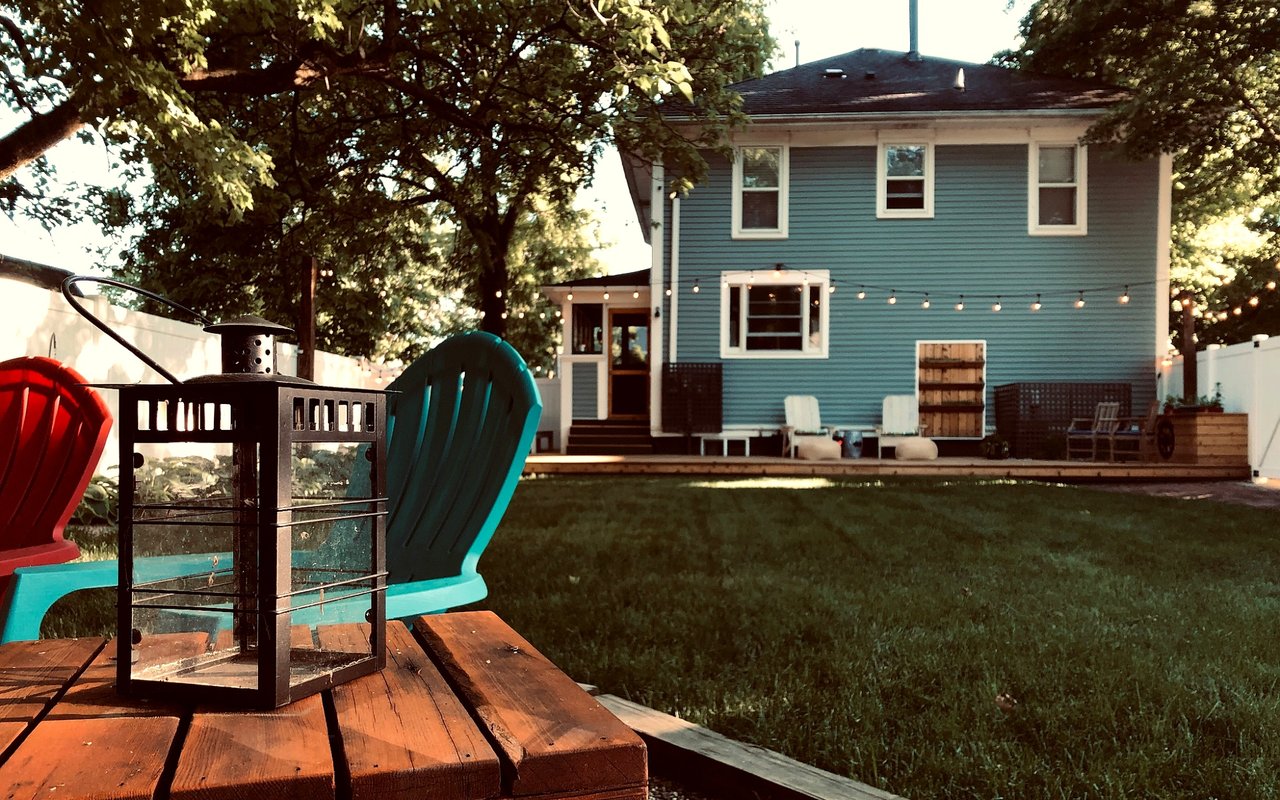
In Chicago, for example, a well-maintained Victorian in Old Town or a historic brownstone in Hyde Park may command as much or more than a new build in the same price bracket, depending on location and condition. However, older homes that require extensive updates—such as electrical, plumbing, or roofing—can see a lower market value due to the anticipated cost of renovations.
Ultimately, the question of does age of house affect value depends on how the age intersects with factors like location, upkeep, renovations, and neighborhood trends. A 100-year-old home that has been fully modernized may outperform a 20-year-old property in need of cosmetic upgrades. It's not just the number of years since construction—it’s what has been done in that time.
The Appeal of Older Homes
Older homes in Chicago—particularly those built before 1940—often feature architectural details and structural materials that are difficult and costly to replicate today. Crown molding, original hardwood floors, leaded glass windows, and ornate fireplaces all contribute to a sense of character that can significantly increase a property’s appeal. For buyers who value these historical elements, the emotional resonance of a vintage home can outweigh the desire for modern finishes.
In neighborhoods like Logan Square, Edgewater, and Beverly, early 20th-century homes are in high demand, particularly when they have been carefully maintained or renovated with respect to their original design. When asking does age of house affect value, buyers should consider whether the home’s age enhances uniqueness or signals deferred maintenance.
Preservation restrictions can also influence value. Homes in designated historic districts may come with specific guidelines on what can and cannot be altered, which can be a benefit for those who want to maintain authenticity but a limitation for those seeking customization. In these cases, the age of the home can be viewed as a benefit or a challenge, depending on the buyer’s goals.
Advantages of Newer Homes
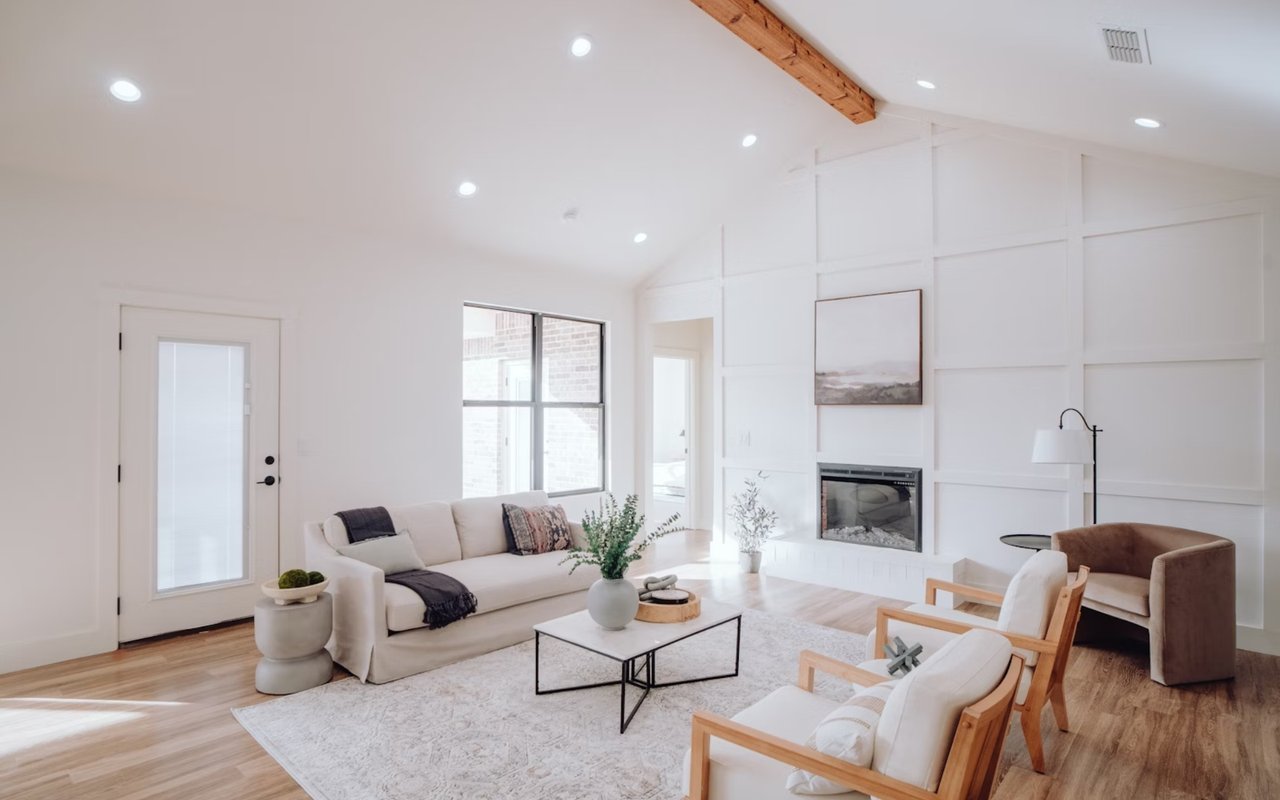
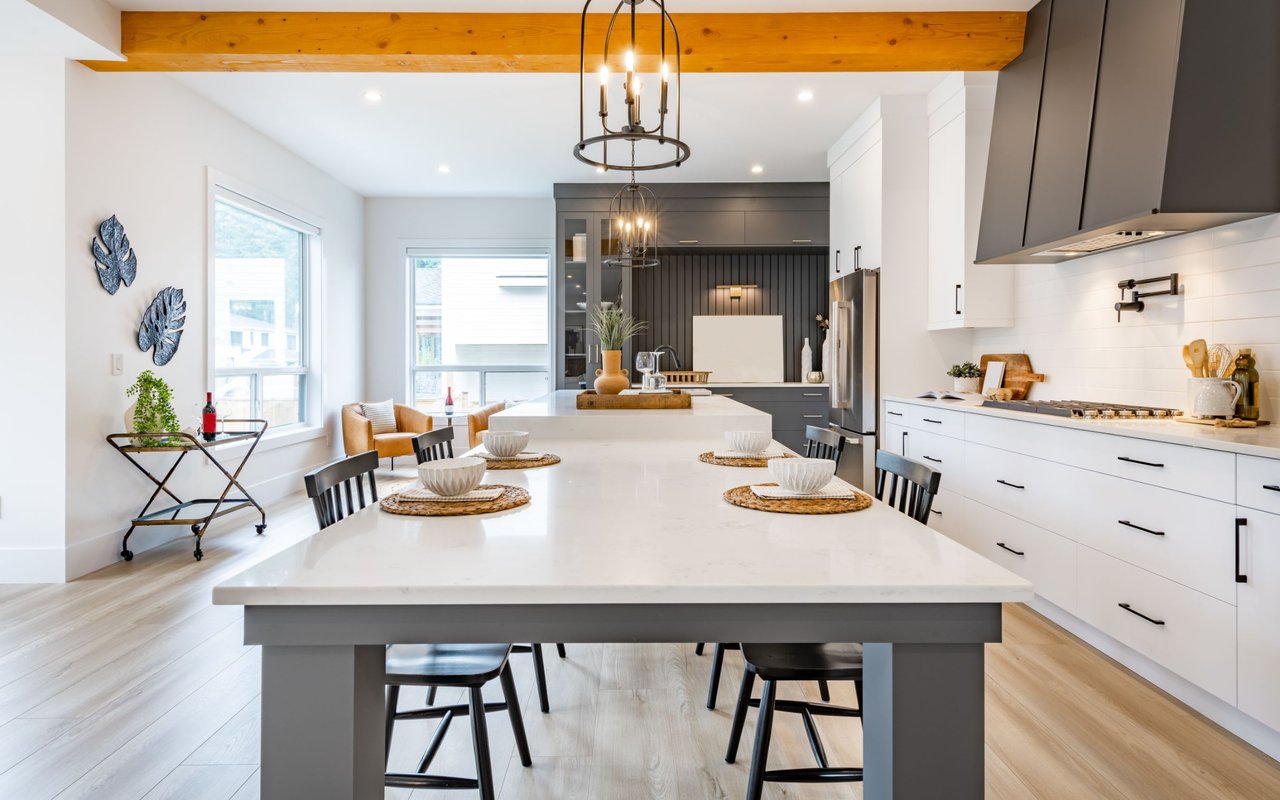
While charm and character are appealing, newer homes offer a different set of advantages that often translate into higher value—especially when it comes to efficiency and maintenance. Properties built within the last 10 to 20 years typically include up-to-date mechanical systems, energy-efficient insulation and windows, and modern layouts that align with current lifestyle preferences such as open floor plans and integrated smart home features.
Buyers drawn to newer homes often appreciate the peace of mind that comes with new roofing, HVAC systems, and plumbing—all of which reduce the likelihood of costly repairs in the first years of ownership. In suburban developments and newer urban infill projects in areas like West Loop or River West, newly built homes tend to carry higher price points due to both condition and contemporary appeal.
When evaluating does age of house affect value, it becomes clear that newer homes tend to command a price premium for their convenience, but not always for their character or location. In Chicago’s older, more established neighborhoods, the trade-off between new construction and vintage architecture becomes a matter of personal preference and long-term investment goals.
Renovation and Modernization
One of the key ways to balance the age of a home with its market value is through strategic renovation. An older home that has been updated with new systems, kitchens, bathrooms, and finishes can offer the best of both worlds—architectural charm paired with modern comfort. In fact, well-renovated older homes often outperform comparably priced new builds in both resale and buyer interest.
Renovation also offers buyers a way to customize a home while preserving desirable features. For sellers, investing in targeted upgrades can dramatically increase marketability and closing price. When analyzing does age of house affect value, renovation becomes a pivotal factor. A century-old home in Andersonville with a newly finished basement and updated HVAC system may offer more long-term value than a newer home in an emerging neighborhood with limited amenities.
However, renovations must be done thoughtfully. Over-modernizing an older home can alienate buyers looking for period charm, while under-investing in key systems may result in inspection issues and pricing concessions. Working with a knowledgeable agent who understands the local market and buyer expectations is critical to achieving the right balance.
Location and Age Dynamics
In Chicago, the correlation between home age and value is also deeply tied to location. Older homes in highly desirable, established neighborhoods like Lincoln Park or Lakeview tend to hold or appreciate in value over time—especially when well-maintained. In contrast, homes of the same age in less stable or transitioning areas may not see the same return unless the broader neighborhood is also experiencing investment and revitalization.
Conversely, in areas with new development momentum—such as parts of Avondale or East Garfield Park—newer homes are setting new comps and shifting pricing expectations. In these cases, the age of a home is less important than its alignment with the direction of the neighborhood’s growth.
The question of does age of house affect value cannot be answered without evaluating it in the context of location, neighborhood stability, and the rate of surrounding development. A home’s age is one data point in a much larger market narrative.
Age, Appraisals, and Buyer Perception
While market value is ultimately determined by what a buyer is willing to pay, appraisals do take a home's age into account—particularly in terms of condition and functionality. Appraisers assess whether a home’s systems and structure meet modern standards and whether any age-related issues might reduce value or increase buyer risk.
Buyer perception also plays a role. Some buyers prefer the assurance and predictability of a newer home, while others prioritize uniqueness and location over age. For both groups, transparency about a home’s age, maintenance history, and any upgrades is essential to building trust and achieving a successful sale.
Partner With Jerry Goodwin to Navigate Home Value Insights
If you're wondering does age of house affect value in your specific neighborhood, the answer lies in expert market knowledge and property-specific evaluation.
Contact Jerry Goodwin to explore how a home’s age, condition, and location intersect to influence value in today’s Chicago real estate market. Whether buying, selling, or investing, working with a trusted advisor ensures that every factor—including age—is considered in your strategy.