Architecture plays a pivotal role in real estate, not just in form and function, but in lifestyle and resale value. In a diverse urban market like Chicago, where neighborhoods can change dramatically from one block to the next, understanding the most popular house styles helps buyers and sellers alike make informed decisions. From classic American homes to modern urban dwellings, each style carries its own aesthetic appeal, historical context, and market significance. Whether purchasing a home in Lincoln Park, Gold Coast, or the suburbs of Oak Park, today’s buyers are increasingly attentive to architectural details that align with their tastes and investment goals.
Understanding Architectural Appeal in Residential Real Estate
When considering the value and desirability of a home, architectural style ranks high on the list of buyer considerations. The design of a home often sets expectations for layout, size, materials, and lifestyle. In Chicago, for example, the juxtaposition of vintage greystones, industrial lofts, and sleek contemporary builds contributes to a dynamic and highly segmented housing market. Recognizing and appreciating these distinct house styles allows buyers to better evaluate properties and sellers to market homes more effectively.
Beyond aesthetics, architectural styles often reflect a home’s historical era, construction quality, and renovation potential. Many homes in Chicago's historic districts—such as Hyde Park or Wicker Park—feature preserved facades paired with modernized interiors. Understanding what defines each style enables both buyers and investors to identify value and potential.
Colonial Revival
Colonial Revival homes emerged in popularity during the early 20th century and continue to resonate with buyers who appreciate symmetrical design and traditional American charm. These homes are typically characterized by balanced windows, gable roofs, and formal entryways with decorative pediments. In Chicago and surrounding suburbs like Evanston and Hinsdale, Colonial Revival properties are often found on tree-lined streets and near reputable schools, making them especially popular with families.
The interior layout of these homes typically features a central hallway with formal living and dining rooms on either side. High ceilings, crown molding, and hardwood floors are common features, and renovations often focus on updating kitchens and bathrooms while preserving original architectural elements. For those seeking timeless elegance, Colonial Revival remains one of the most enduring house styles in both city and suburban markets.
Craftsman
The American Craftsman style, which grew out of the Arts and Crafts movement, is prized for its attention to detail, handcrafted materials, and warm, welcoming ambiance. Craftsman homes are prevalent in neighborhoods like Beverly and Oak Park, where historic preservation has helped maintain their charm. Key architectural elements include low-pitched roofs, exposed rafters, tapered porch columns, and built-in cabinetry.
Craftsman homes often emphasize functionality and flow, with open floor plans and a strong connection between indoor and outdoor spaces. Buyers are particularly drawn to the solid construction and use of natural materials such as wood and stone. For those looking for a home with both character and quality, the Craftsman remains one of the most desirable house styles in the Chicago region.
Tudor
Tudor homes bring a sense of old-world sophistication, with steeply pitched roofs, tall, narrow windows, and ornamental half-timbering. Popularized in the U.S. during the 1920s and 1930s, this architectural style is often found in established Chicago neighborhoods like Sauganash and in suburbs such as River Forest.
Tudor interiors typically feature arched doorways, wood-paneled walls, and leaded glass windows, creating a sense of historical richness that appeals to buyers looking for distinction and craftsmanship. The thick masonry walls and slate roofs also contribute to durability and insulation. As one of the more elaborate house styles, Tudors tend to stand out in neighborhoods, offering curb appeal that holds long-term value.
Contemporary and Modern
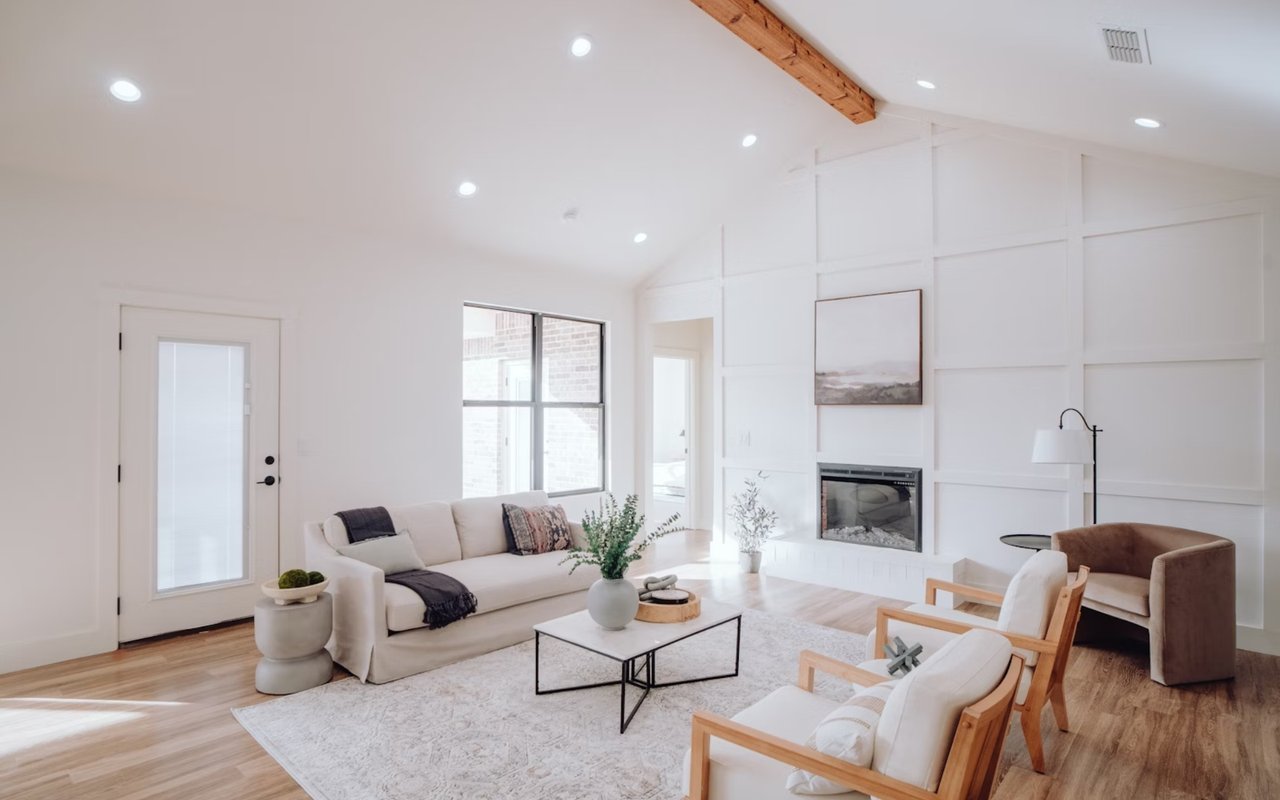
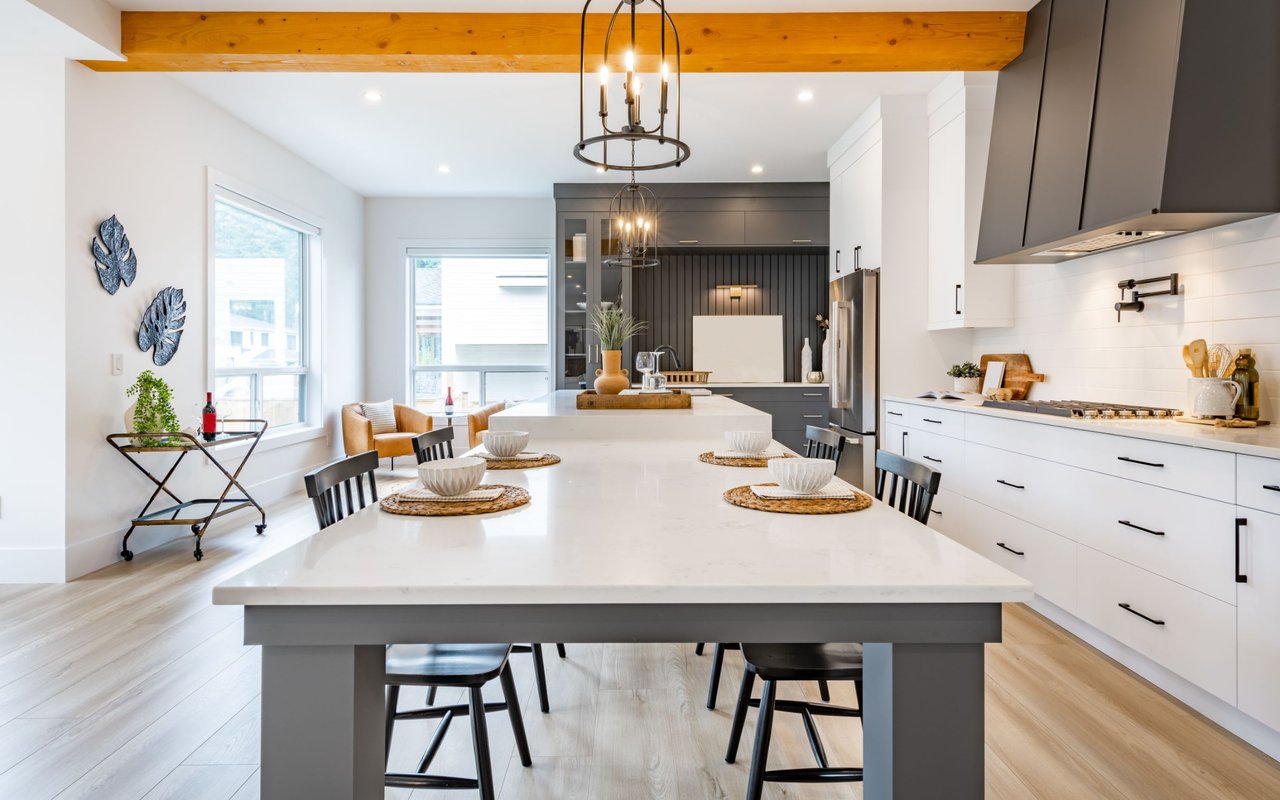
Contemporary homes in Chicago are most commonly found in urban infill developments or custom-built properties in neighborhoods such as Bucktown, West Loop, and parts of Lincoln Park. These homes prioritize clean lines, minimalist design, and the use of industrial or eco-friendly materials. Flat roofs, expansive windows, and open-concept interiors dominate the architectural vocabulary of these homes.
Modern house styles appeal to buyers who value innovation, energy efficiency, and customization. Many contemporary homes incorporate smart home technologies, solar panels, radiant heat flooring, and sustainable construction practices. While stylistically very different from traditional Chicago architecture, contemporary homes attract a growing segment of buyers seeking sleek design and low-maintenance living.
Victorian
Victorian homes are a hallmark of historic Chicago, with notable concentrations in neighborhoods like Old Town and parts of Lakeview. These homes, built primarily in the late 19th century, are known for their ornate details, asymmetrical facades, turrets, and vibrant exterior colors. Queen Anne is one of the most recognized Victorian substyles and is especially prized for its decorative flourishes and expansive porches.
Inside, Victorian homes often include high ceilings, intricate woodwork, and multiple fireplaces. While some have been fully modernized, others offer renovation opportunities that appeal to buyers interested in preservation. Among house styles with the most visual impact, Victorian homes offer a romantic charm and sense of history that continues to appeal to buyers looking for a unique property.
Chicago Bungalow
The Chicago Bungalow is a style all its own—defined by brick construction, full basements, low-pitched roofs, and single-story living. Built primarily between 1910 and 1940, these homes were designed for practicality and longevity, and thousands still exist across the city, particularly in neighborhoods like Portage Park, Chatham, and Gage Park.
What makes the Chicago Bungalow especially appealing is its versatility. Many have been renovated to include modern kitchens and finished basements, offering affordability without sacrificing architectural integrity. These homes are ideal for first-time buyers, downsizers, or investors looking to enter the market at a more accessible price point, all while enjoying one of the city’s most iconic house styles.
Mid-Century Modern
Though less common in central Chicago, Mid-Century Modern homes appear more frequently in suburbs such as Northbrook, Glenview, and Barrington. This architectural style emphasizes simplicity, integration with nature, and the use of large glass walls to bring the outside in. Low, horizontal lines, open floor plans, and minimalist aesthetics define this era of design.
Mid-Century homes appeal to design-conscious buyers and often feature retro elements like sunken living rooms, original wood paneling, and angular rooflines. Renovations tend to preserve the core architectural features while upgrading mechanical systems and finishes. For buyers seeking sleek form and practical function, Mid-Century Modern homes continue to represent one of the most influential house styles of the past century.
Choosing the Right Architectural Fit
Each architectural style speaks to a different lifestyle, and for homebuyers in Chicago, identifying the right fit involves balancing aesthetics with practical needs. Families may gravitate toward spacious Colonials or Craftsman homes with large yards, while urban professionals might prefer the streamlined layout of a modern townhouse or loft. Those looking for historical charm may focus their search on Victorians, Tudors, or vintage greystones, while contemporary enthusiasts may seek out minimalist builds in emerging neighborhoods.
Beyond personal taste, architectural style can influence a property’s resale value, maintenance costs, and long-term livability. In competitive markets, homes that blend timeless design with updated amenities tend to perform best. Partnering with a local expert who understands not only the inventory but also the architecture can streamline the process and ensure buyers find a home that meets both their financial and lifestyle goals.
Explore Distinctive House Styles With Jerry Goodwin
Understanding architectural styles is key to making informed real estate decisions. Whether you're drawn to the charm of a Craftsman, the elegance of a Tudor, or the clean lines of a modern build, Chicago offers a rich variety of homes that suit every taste and investment strategy.
Contact Jerry Goodwin to begin your search and explore the most desirable house styles currently available in the Chicago market.