By Jerry Goodwin
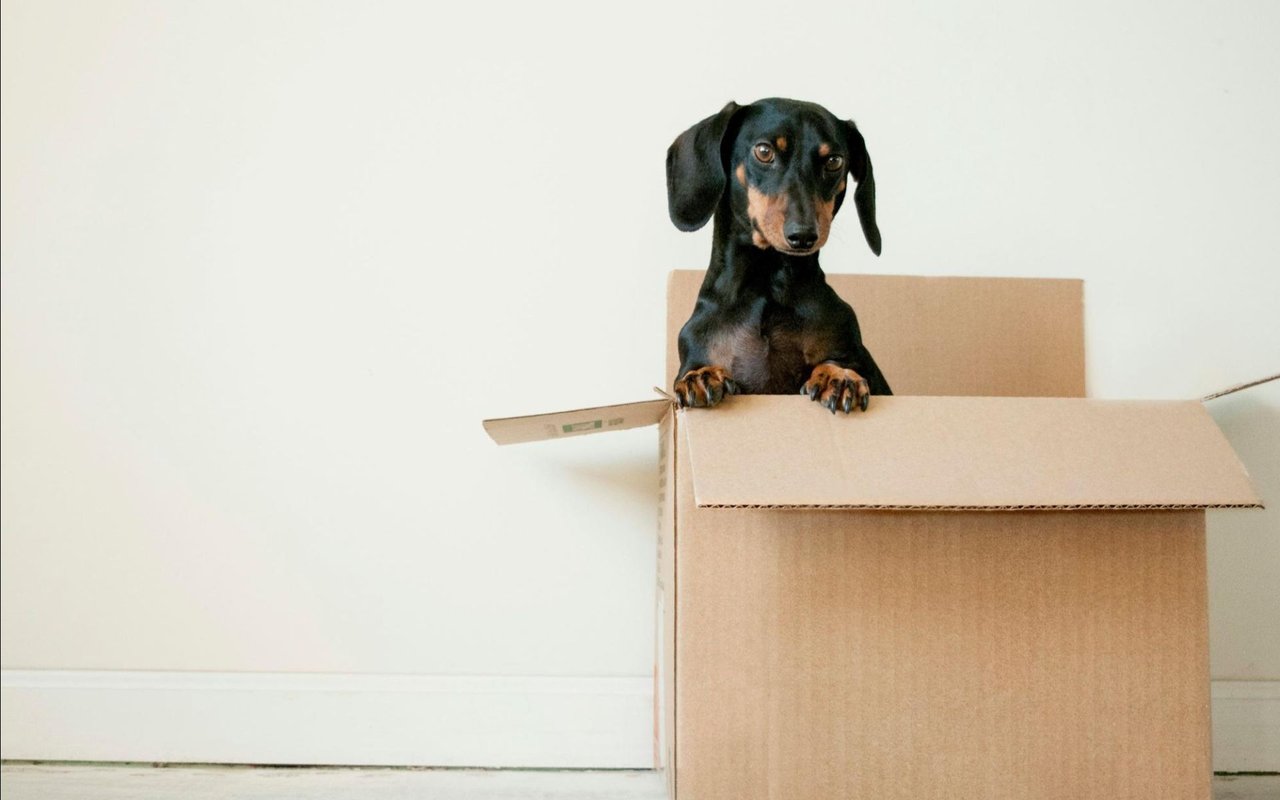
Moving can be one of life’s most disruptive experiences, and when you add pets into the equation, the challenge multiplies. Your pets notice every box you pack, every door you open, and every change in routine. The process can be confusing, overwhelming, and sometimes distressing.
Whether you have a dog, cat, rabbit, bird, or reptile, planning and preparation will make all the difference. By understanding your pets’ needs and incorporating practical strategies, you can make your move as smooth as possible for everyone involved.
This guide is designed to take you step-by-step through the entire moving process, from initial planning to settling into your new home. You'll discover how to keep your pets comfortable before, during, and after the move, and how to avoid common pitfalls along the way.
Key Takeaways
- Preparation is essential for a low-stress move with pets.
- Maintaining routines can help pets feel secure during the moving process.
- Travel arrangements should be planned with your pets’ comfort and safety in mind.
- Introducing pets to a new home requires patience and gradual adjustments.
Planning Ahead For A Smooth Move
When you decide to relocate, your first step should be to make a plan that accounts for every member of your household, including your pets. Unlike humans, pets will not understand why things are changing around them, so early preparation will help ease anxiety and reduce potential behavioral problems.
Start by considering your pets’ unique personalities and needs. Some animals are adaptable and sociable, while others are sensitive and easily stressed. Dogs, for example, may need extra walks and reassurance; cats might prefer hiding spots and consistency. Birds and small mammals may be especially sensitive to noise and disruption.
You’ll want to schedule a veterinary visit well before your move. During this appointment, update your pets’ vaccinations, request copies of their medical records, and discuss strategies for keeping them calm during the transition.
As you begin packing, set aside a room or quiet space where your pets can retreat from the hustle and bustle. Try to keep their environment familiar and minimize sudden changes until moving day.
Planning Tips For Moving With Pets
- Schedule a veterinary appointment early in the process.
- Request copies of medical records and update identification tags.
- Set up a quiet, safe room away from packing activities.
- Keep your pets’ bedding, toys, and routines consistent during preparations.
Packing And Preparing Your Pet For The Move
Packing is one of the most chaotic parts of moving, and pets are quick to notice when their world starts to change. To help your pets cope, introduce changes gradually. Avoid packing away their favorite items until the very last moment, as these familiar scents and objects provide comfort during uncertain times.
You’ll want to make a pet essentials kit that will travel with you and not get loaded onto the moving truck. This kit should include food, water, bowls, leashes, medications, treats, favorite toys, and bedding. Consider any travel crates or carriers you’ll need, and allow your pet to become comfortable with them in the weeks leading up to the move. For dogs and cats, place treats and toys inside the carrier to build positive associations.
If your pet is prone to anxiety, speak with your veterinarian about potentially using calming products or medications. There are many over-the-counter options, such as pheromone sprays, anxiety wraps, or natural supplements, that may help.
When packing up your current home, maintain your pets’ feeding, walking, and play routines as closely as possible. Routine helps reassure pets that, despite all the changes, some things remain the same.
Packing Checklist For Your Pets
- Prepare a travel kit with food, bowls, medications, and favorite items.
- Keep your pets’ regular routines for feeding, walks, and play.
- Allow your pet to explore travel carriers or crates before moving day.
- Consult your veterinarian about anxiety management if needed.
Choosing Travel Arrangements
The logistics of travel can be one of the most complicated parts of moving with pets. Your approach will depend on your mode of transportation and the distance you’ll be covering.
For car travel, make sure that your pets are safely secured in a properly fitted crate, carrier, or harness. Allow for breaks every few hours to let your pet stretch. Never leave pets unattended in a parked car, especially in warm weather.
If you’re flying, check airline policies regarding pets well in advance. Many airlines have specific requirements for carrier sizes, paperwork, and weather restrictions. Some animals may be allowed in the cabin; others must travel in the cargo hold. Book your flight as early as possible to secure a spot for your pet, and try to choose direct flights to minimize travel time and transfers.
For moves involving other types of transport, such as trains or ferries, research pet policies ahead of time. No matter your chosen method, your priority should be your pet’s comfort, safety, and well-being.
Travel Tips For Moving With Pets
- Research transportation policies and requirements for pets in advance.
- Secure your pet in an appropriate carrier or restraint during travel.
- Schedule regular breaks if traveling by car.
- Book direct flights for air travel whenever possible.
- Keep your pet’s essentials easily accessible during the journey.
Reducing Stress On Moving Day
Moving day is often the most stressful part of the process, and pets can easily become overwhelmed by the noise, strangers, and commotion. To help your pet stay calm, arrange for them to be in a quiet room, away from the main activity. If possible, have a trusted friend or pet sitter look after your pet during the busiest hours.
For dogs and cats, provide a cozy, enclosed space with their bedding, toys, water, and food. Check in on them regularly and offer reassurance as needed. For small mammals, reptiles, or birds, ensure their enclosures are secure and away from drafts or direct sunlight.
If you need to transport your pet before the rest of your belongings, make sure their new environment is ready with familiar items and a safe place to relax. Allow them to acclimate gradually, and avoid introducing them to new areas until things have settled down.
Moving day is not the time for introductions to new people or animals. Wait until your pet has adjusted before expanding their world.
Moving Day Tips For Pets
- Place your pet in a quiet room during the move.
- Provide familiar bedding, toys, food, and water in their space.
- Enlist the help of a friend or pet sitter if possible.
- Check on your pet regularly and offer comfort as needed.
Helping Your Pet Adjust To A New Home
Once you arrive at your new home, your pet’s transition is just beginning. The new environment will likely feel strange and may even be overwhelming. The most important thing you can do is reestablish routines right away. If possible, feed, walk, and play with your pet at the same times as before. This consistency will provide comfort and help your pet feel secure.
Allow your pet to explore the new space at their own pace. For cats, this may mean confining them to a single room for the first few days before slowly introducing them to the rest of the house. Dogs may benefit from a walk around the neighborhood on a leash before exploring the backyard. Small mammals and birds may need a quiet area set up with familiar items.
Keep a close eye on your pet for signs of stress or behavioral changes, such as hiding, lack of appetite, excessive grooming, or vocalization. Give extra affection and reassurance, but also respect their need for space.
Tips For Settling Pets Into A New Home
- Resume your pet’s regular routines as soon as possible.
- Introduce your pet to the new environment gradually.
- Monitor your pet for signs of stress and behavioral changes.
- Use treats, play, and positive attention to reinforce good experiences.
FAQs
How Can I Help My Cat Adjust To A New Home?
Begin by confining your cat to a single room with familiar items, such as bedding, toys, and a litter box. Gradually allow your cat to explore the rest of the home at their own pace, maintaining routines for feeding and playtime.
What Should I Pack In My Pet’s Essentials Kit For Moving?
Pack enough food and water for several days, bowls, medications, leash, collar or harness, favorite toys, bedding, and copies of veterinary records.
How Long Does It Take For Pets To Adjust After Moving?
Adjustment times vary, but most pets will begin to settle within a few days to a few weeks. Consistent routines, familiar objects, and positive attention help speed up the process.
Welcome Home
Moving with pets is a major undertaking, but with the right strategies and plenty of compassion, it can be a smooth process. As you and your pets settle into your new home, take the time to create new memories together. You’ll soon discover that, wherever you live, home is wherever you and your pets are together.
Ready to make your next move in Chicago? Work with me,
Jerry Goodwin, and experience a level of service and expertise designed to help you reach your goals with confidence. Let’s connect and turn your real estate dreams into reality.