By Jerry Goodwin
Buying a home in Chicago can be one of the most exciting—and sometimes stressful—experiences you’ll undergo. One of the most crucial steps before making such a significant investment is, of course, the home inspection.
While touring a home can give you a detailed first impression, a professional inspection digs much deeper, revealing issues that aren’t visible to the untrained eye. Whether you’re a first-time buyer or you’ve been through the process before, understanding the ins and outs of home inspections can save you time, money, and unexpected headaches.
This guide will walk you through everything you need to know about home inspections as you buy a home in the Windy City.
Key Takeaways
- Home inspections are a crucial part of the home-buying process, offering valuable knowledge about the property you’re considering.
- Inspectors evaluate everything from the roof to the walls and floors for structural and mechanical issues.
- If possible, buyers should be present at the inspection to ask questions and understand the home’s condition.
- The inspection report can be leveraged as a negotiation tool or as a useful roadmap for future repairs.
Understanding the Importance of a Home Inspection
When you find a home in Chicago that feels perfect for your needs, it’s tempting to rush through the final steps. However, the home inspection is your opportunity to ensure that you’re making a sound investment.
Unlike a quick walkthrough or property tour, a home inspection is a detailed evaluation performed by a licensed professional. Inspectors examine both the interior and exterior of the home, looking for existing problems or potential future issues that could affect the property’s value or livability.
Chicago’s homes come in all architectural styles, sizes, and ages, from classic two-flats and greystones to contemporary condos and bungalows. This variety means that inspectors are trained to identify problems specific to older construction—think original plumbing, historic windows, or outdated electrical systems—as well as more contemporary builds.
Skipping the inspection or treating it as a mere formality can be a costly mistake. After all, even newer homes can hide issues that aren’t immediately visible. In Chicago, where the weather can swing from frigid winters to humid summers, small problems can quickly escalate if left unaddressed. Completing a comprehensive inspection as part of your due diligence means that you go into your purchase fully informed and able to make the right decisions for your future home.
What to Expect During the Inspection
- A detailed review of the property by a licensed professional.
- Identification of existing or potential structural, electrical, and mechanical issues.
- Insights into immediate and long-term repair needs.
- An opportunity to ask questions and better understand the home’s systems and maintenance needs.
What Does the Home Inspector Check?
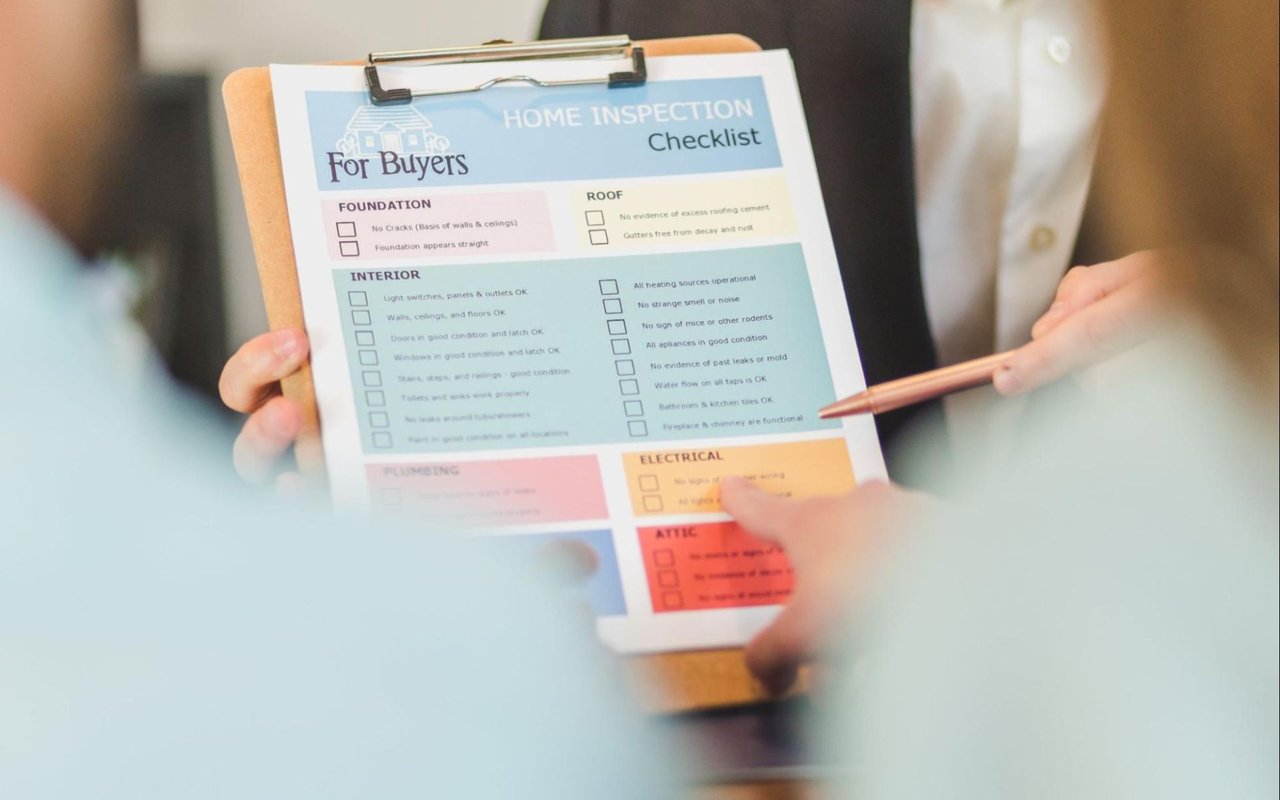
A professional inspector follows a detailed checklist to make sure that nothing is missed. This includes:
Exterior: Inspectors examine the roof, gutters, downspouts, siding, windows, doors, porches, decks, and the grading of the land around the house. Special attention is paid to signs of water damage, missing shingles, and improper drainage.
Interior: The inspector looks at the floors, walls, ceilings, and insulation. They check for evidence of moisture, structural shifts, and problems like cracked plaster or drywall.
Plumbing: Pipes, fixtures, water heaters, and sump pumps are all evaluated. In older homes in Chicago, inspectors keep an eye out for galvanized steel pipes, which can corrode over time.
Electrical: The main panel, outlets, switches, visible wiring, and grounding are assessed. Outdated systems or improper modifications are noted.
Heating and Cooling: Inspectors test the furnace, air conditioning, ductwork, and vents. They also check for proper ventilation.
Major Appliances: Dishwashers, ovens, washers, and dryers are tested for basic operation if they’re included in the sale.
What’s Included in a Typical Inspection?
- Full assessment of all visible structural components.
- Detailed check of plumbing, electrical, HVAC, and appliances.
- Photographs and written notes on areas of concern.
- A comprehensive written report for your review.
The Inspection Report: What to Do With the Results
After the inspection is completed, you’ll receive a detailed report outlining everything the inspector found, typically within 48 hours. This document is more than just a checklist; it’s a valuable resource as you negotiate your purchase and plan for repairs. A thorough inspector will break down issues by severity, helping you distinguish between minor cosmetic flaws and larger, potentially expensive problems.
Most buyers leverage the report to request repairs or credits from the seller. For example, if the inspector finds that the roof needs replacement, you might negotiate for the seller to fix it before closing or ask for a reduction in the final sale price to offset the cost. Sometimes, an inspection reveals a problem that may be a deal-breaker, such as significant foundation movement or widespread mold.
Even if you decide to move forward without asking for repairs, the report serves as a roadmap for future maintenance and upgrades. It helps you prioritize which updates to tackle first and can prevent unwelcome surprises down the road.
How to Use Your Inspection Report
- Identify major issues that may impact your buying decision.
- Negotiate repairs, credits, or price reductions with the seller.
- Plan and budget for future updates or maintenance.
- Understand which issues are urgent versus which can wait.
FAQs
How Long Does a Home Inspection Take?
Most inspections take two to three hours, although larger or older homes may require more time. If possible, plan to attend the inspection for the entire duration so that you can ask questions and see any areas of concern firsthand.
Can I Attend the Inspection?
Yes, buyers are encouraged to attend the inspection. This is your chance to learn about the home’s systems, ask questions, and gain a better understanding of any issues the inspector finds.
What Should I Do If the Inspection Finds Major Issues?
If significant problems are uncovered, you can negotiate repairs, price adjustments, or closing credits with the seller, or in some cases, decide to walk away from the purchase if the issues are deal-breakers.
Your Confident Chicago Home Purchase Starts Here
A home inspection is your secret to buying with confidence in Chicago’s vibrant real estate market. By taking the time to understand the process and using the report as a negotiation tool, you’re setting yourself up for a successful purchase. Don’t let surprises sidetrack your home-buying journey; your inspection is the foundation of a happy home.
If you’re hoping for a smooth home-buying experience in Chicago, work with me,
Jerry Goodwin, for personalized insight, expert negotiation, and a proven strategy for every step of your real estate journey.