By Jerry Goodwin
If you’re preparing to sell your Chicago home, you’re probably juggling a long to-do list: staging, cleaning, paperwork, and showings. Yet, there’s one step that can make or break a smooth sale: getting your home inspected before it hits the market.
In Chicago’s competitive real estate landscape, a pre-listing inspection can be a strategic move. It can uncover hidden issues, provide peace of mind to buyers, and help you set the right price. But what does this process involve, and how can you navigate it confidently? This guide will unpack every step, giving you a clear picture of what to expect so that you can sell your home with confidence.
Key Takeaways
- Pre-listing inspections offer a strategic advantage for sellers who want to present their property as well-prepared.
- The inspection process covers everything from the roof to the foundation.
- Addressing necessary repairs proactively can streamline the sale process.
Why a Pre-Listing Home Inspection Matters in Chicago
Selling your home in Chicago is not just about listing it and waiting for offers to arrive. The Windy City offers a unique mix of architectural styles, from historic bungalows to sleek high-rises, each with its own quirks and common repair issues. A pre-listing inspection reveals any problems before a buyer’s inspector does. This means that you can address repairs on your own terms and timeline, minimizing the risk of price reductions or lost deals down the road.
A pre-listing inspection demonstrates to buyers that you’re upfront and well-organized. It builds trust as well; buyers are often wary of hidden defects or unexpected repair costs, but when you provide an inspection report up front, you’re giving them a level of transparency that can set your home apart from others on the market.
Most importantly, in Chicago’s real estate scene, certain issues—like aging plumbing, HVAC systems struggling through the winter, or foundation settling—are more common due to the city’s age and climate. Catching these issues early on helps you prepare and budget accordingly, reducing surprises during negotiations.
Why Pre-Listing Inspections Give You an Advantage
- Offers peace of mind to prospective buyers and helps your listing stand out.
- Helps you set a realistic, competitive price point for your home.
- Reduces the risk of renegotiation or failed deals after the buyer’s inspection.
- Allows you to address issues in advance and at your own pace.
- Demonstrates transparency, which can speed up the closing process.
What Is Covered in a Home Inspection?
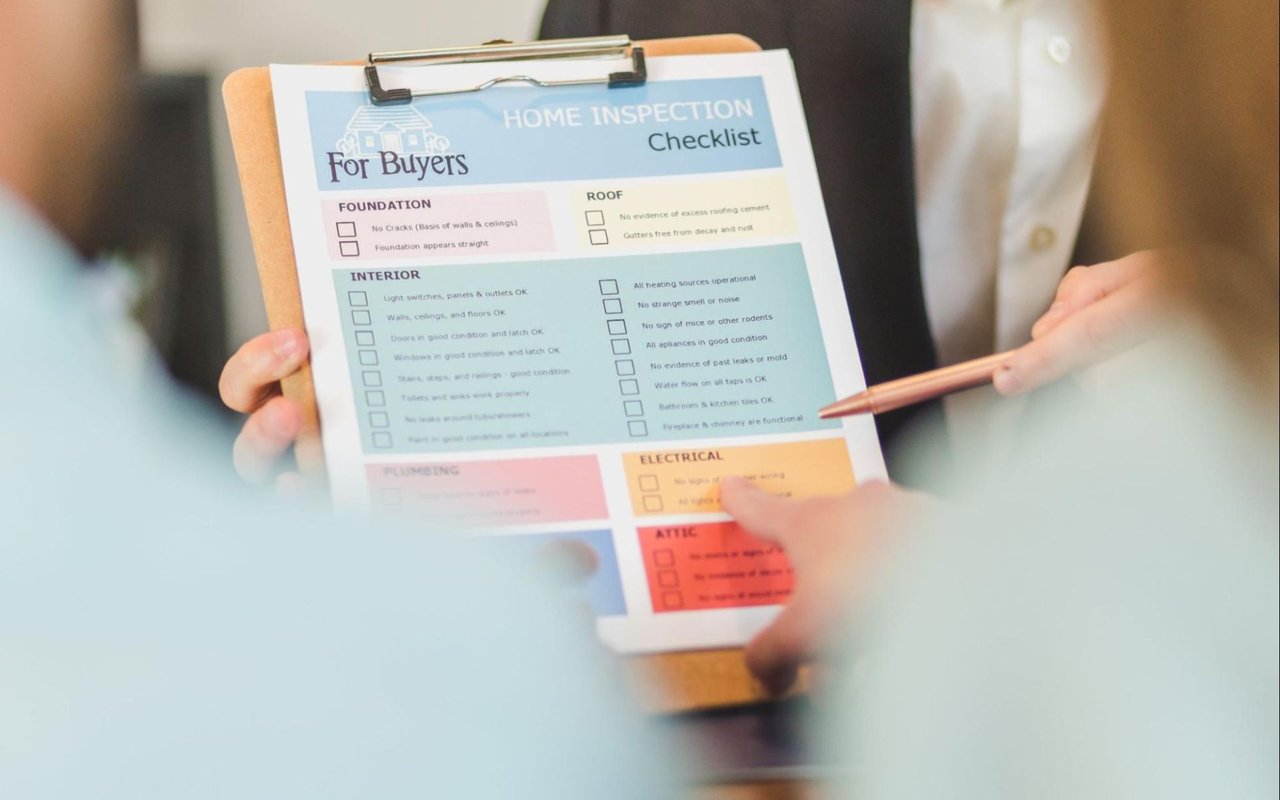
A comprehensive home inspection in Chicago examines both visible and accessible systems and structures. The inspector will look at your property’s roof, exterior, foundation, heating and cooling systems, plumbing, electrical, and major appliances. In older Chicago homes, inspectors pay special attention to issues like outdated wiring, older piping, window efficiency, and signs of water intrusion that could result from the chilly Midwest winters.
The inspection doesn’t just evaluate whether everything looks good on the surface. Inspectors are also trained to identify signs of problems that might not be obvious to the untrained eye. They’ll test outlets, check for proper insulation, and review the garage or other outbuildings. In multi-unit buildings, some aspects may be handled by the association, but individual units are still inspected for common defects.
Inspectors use a standardized checklist, but their reports can vary in detail. Ask for a sample report before hiring someone so you know what to expect.
What Inspectors Examine
- Roofing, flashing, and gutters
- Exterior walls and siding
- Plumbing systems, including fixtures and water heaters
- Electrical systems, panels, and outlets
- Heating and cooling (HVAC) systems
- Windows, doors, and insulation
- Appliances included in the sale
- Garage and other structures
What Happens During the Inspection Process?
On inspection day, the inspector will arrive with a checklist, tools, and a camera. Plan for the process to take two to four hours, depending on your home’s size, features, age, and condition. They’ll move from top to bottom, starting at the roof and working down to the foundation.
You’re encouraged to join the inspector and ask questions as you go. They’ll point out issues, both minor and major, and can explain which repairs are urgent and which are less pressing. The inspector will also take photos and make notes for their final report.
Once the inspection is complete, you’ll receive a written report, often within 24 hours. This document will summarize the findings, identify any areas needing repair or monitoring, and include photographs. Some inspectors also provide a summary sheet highlighting the most significant issues and recommending further evaluations.
Steps in the Inspection Process
- Complete walkthrough of the entire home, inside and out.
- Testing of systems, such as HVAC, electrical, and plumbing.
- The inspector takes notes and photographs of any findings.
- The written report is delivered, often within one day.
- Opportunity to ask questions or request clarification on findings.
What to Do If the Inspection Uncovers Problems
It’s common for even well-maintained homes to turn up a list of repair items. Don’t panic if your inspector’s report is several pages long. Focus on significant issues, such as roof leaks, foundation cracks, or plumbing failures, that could impact your property’s value or delay the sale.
Once you know what needs attention, you have choices. You can fix the issues before listing, offer buyers a credit to cover repairs, or price the home accordingly. Taking care of major problems beforehand can help you avoid renegotiation or deal-killing surprises once a buyer’s inspection is completed.
Sometimes, small fixes—like recaulking the windows or replacing a leaky faucet—can make a positive impression with minimal expense. More extensive repairs may require quotes from contractors. Keep receipts and documentation; buyers often appreciate seeing proof of completed work.
Steps After Discovering Issues
- Review the report carefully and prioritize repairs that could impact value or buyer confidence.
- Decide which repairs to complete, and gather estimates if needed.
- Keep records of completed repairs and receipts.
- Prepare property disclosures for any outstanding issues you chose not to address.
FAQs
What Is a Pre-Listing Home Inspection?
A pre-listing home inspection is a professional evaluation of your property’s condition, performed before you list your home for sale. It helps you identify any issues that might affect your home’s value or lead to negotiation challenges during the selling process.
How Long Does the Inspection Take?
Most inspections take two to four hours, depending on the size and condition of your home. Larger or more complex properties may require additional time.
What Should I Fix Before Selling My Home?
Focus on repairing issues that could significantly impact your home’s value or buyer confidence, such as roof leaks, plumbing problems, or electrical hazards.
Will Buyers Still Do Their Own Inspection?
Most buyers will conduct their own inspection, even if you provide a pre-listing report. However, having your own report allows you to address issues proactively and reduces the risk of surprises later.
Ready to Make Your Chicago Sale Smooth?
Getting your home inspected before selling is one of the smartest moves you can make in Chicago’s fast-paced real estate market. With a clear understanding of your property’s strengths and weaknesses, you can prepare, price, and negotiate with confidence.
Ready to take the next step in your Chicago real estate journey? Partner with me,
Jerry Goodwin, and gain a trusted local expert dedicated to making your home sale or purchase smooth and rewarding.