By Jerry Goodwin
Childproofing your home is one of the top priorities for any parent or caregiver. Kids have a knack for curiosity, and that curiosity often leads them straight to areas in your home that pose the most potential for accidents. From the kitchen to the bathroom and even the backyard, every corner can hide unseen hazards. That’s why childproofing your space isn’t just about ticking off a to-do list; it’s about creating an environment where kids can explore, learn, and play without unnecessary risks.
With a bit of know-how and a thoughtful approach, you can take simple but highly effective steps to help prevent injuries and accidents, making your house a safer place for children of all ages.
Key Takeaways
- Childproofing goes beyond plug covers and gates; it’s about assessing every room for hidden risks.
- A systematic room-by-room approach makes sure that no area is overlooked.
- Simple changes and products can make a significant difference in reducing household hazards.
- Adapting your strategy as your child grows keeps safety measures effective.
Assessing Your Home for Hidden Dangers
Before you jump into adding outlet covers or moving fragile items, it’s crucial to take a fresh look at your home from a child’s perspective. Getting down to your child’s eye level can reveal hazards you might otherwise overlook.
Start by crawling through key rooms to see what’s within reach. Pay special attention to sharp corners, exposed cords, or dangling window treatments. Even common household items can become hazards when you look through a child’s eyes.
In this stage, check for gaps between furniture and walls, loose carpets, and unsecured heavy objects. Children love to explore and climb; anything that could tip over, such as bookshelves, dressers, or even large televisions, needs to be secured.
Look for cleaning supplies, medicines, and small objects that could pose choking risks. Taking inventory of potential hazards is the foundation of an effective childproofing strategy.
Home Assessment Tips
- Determine what’s accessible from a child’s height.
- Check all rooms for small objects, loose cords, or unstable furniture.
- Make a list of every potential hazard to address one by one.
- Examine areas under couches and beds for forgotten items.
- Don’t forget less-used spaces, such as laundry rooms or garages.
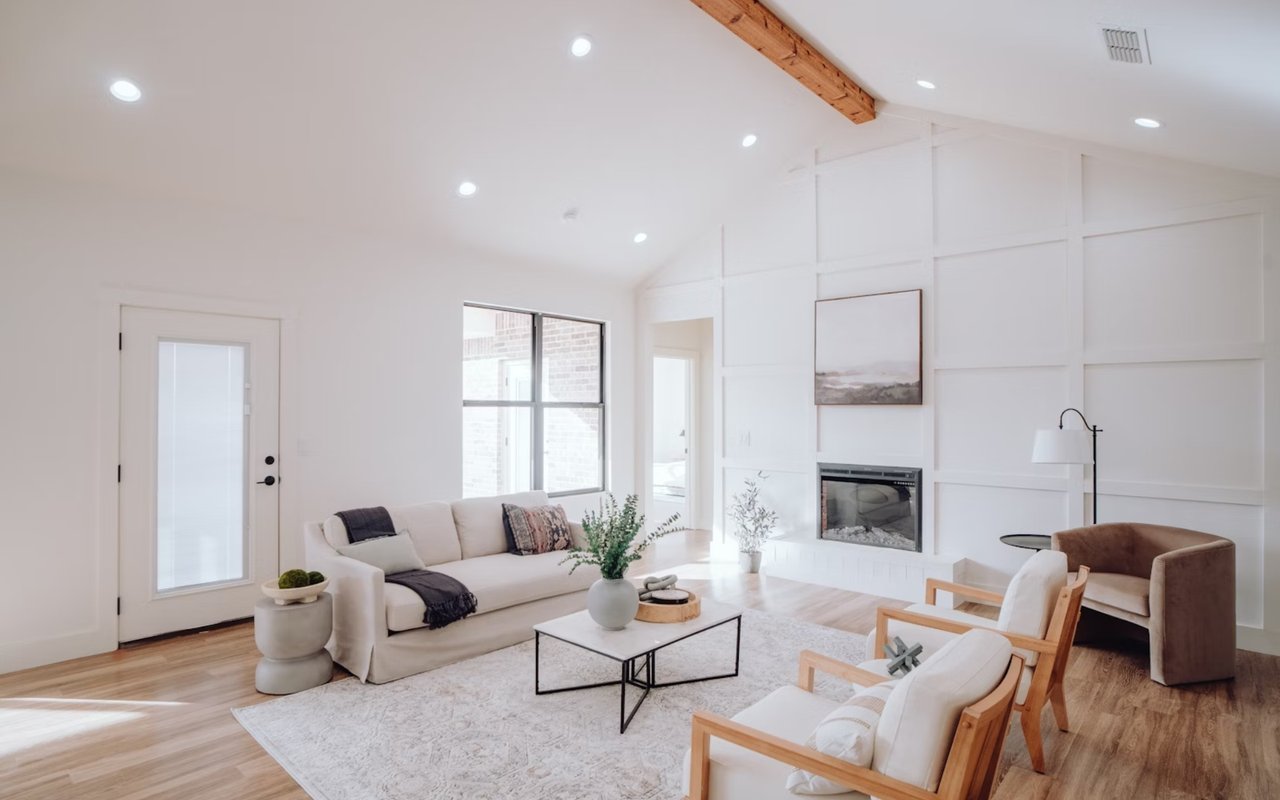
Childproofing the Living Room
The living room is often a central gathering place, but it can also be full of risks. Glass-topped tables, floor lamps, or entertainment centers are just a few common items to consider. Start by padding sharp furniture edges and corners with protectors, and use outlet covers to block access to electrical sockets. Keep cords from blinds or electronics bundled and out of reach.
Furniture stability is a major concern. Anchor bookshelves, TVs, and large cabinets securely to the wall using anti-tip kits. Remove or secure loose rugs to prevent slips and falls. Consider keeping decorative objects, breakables, and remote controls out of reach, either on higher shelves or in locked cabinets. Soft, rounded ottomans can replace harder coffee tables to help avoid injuries.
Living Room Childproofing Checklist
- Use corner and edge guards on tables and shelves.
- Anchor heavy furniture and TVs to walls.
- Tidy and secure cords with cord covers or clips.
- Keep small or breakable objects out of reach.
- Place soft rugs to cushion accidental tumbles.
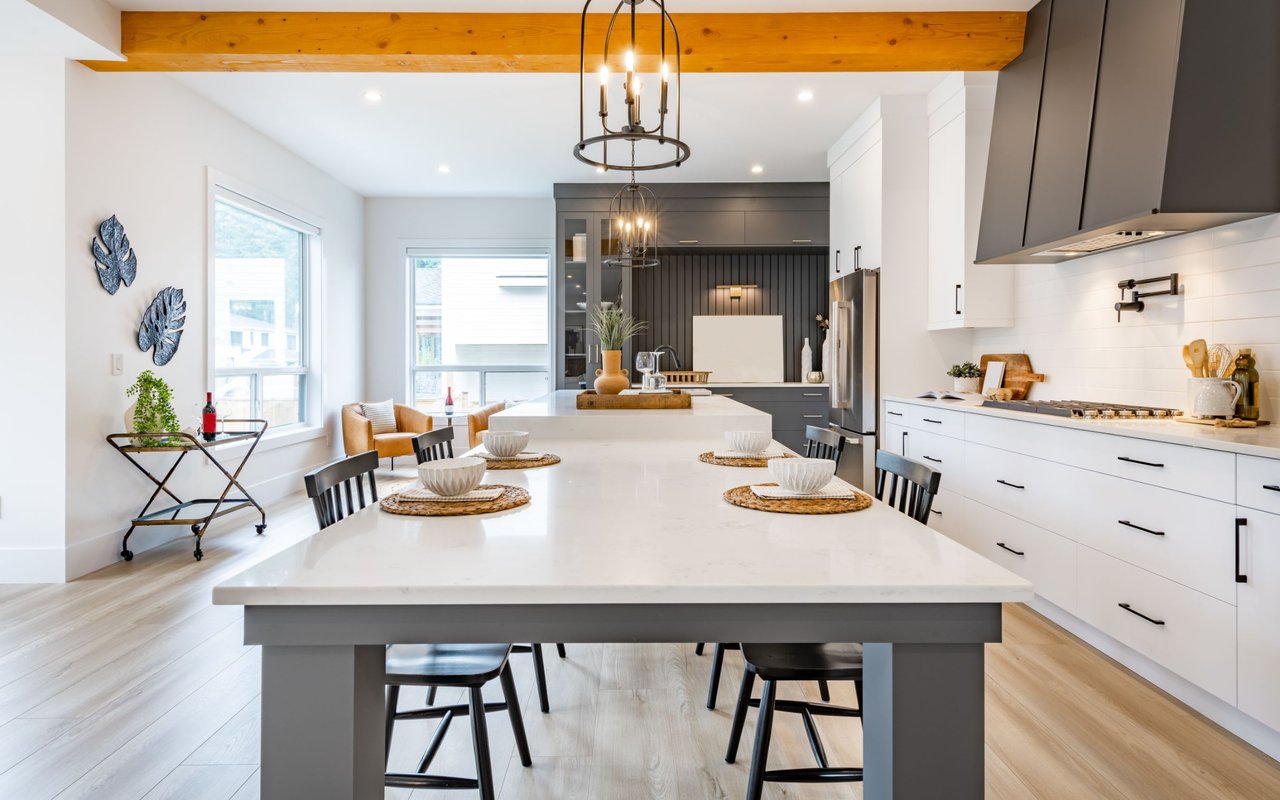
Creating a Safer Kitchen
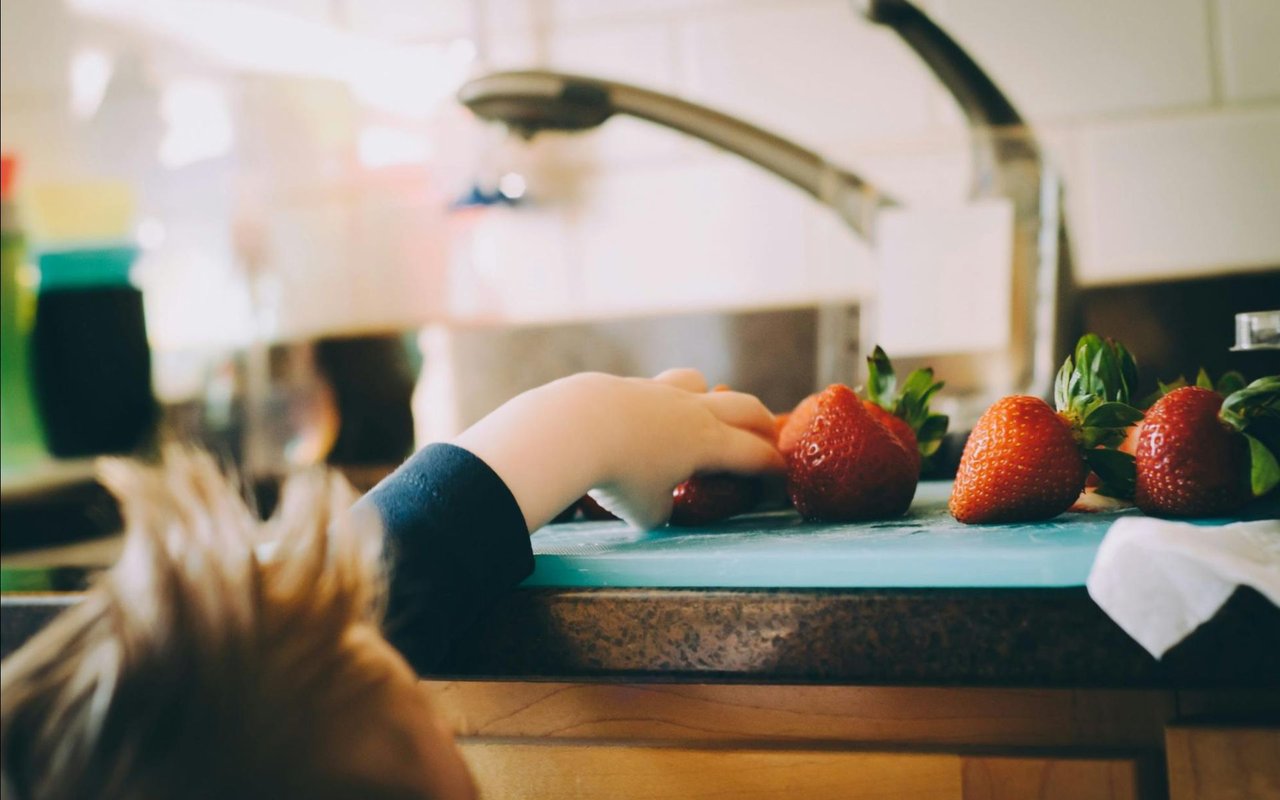
Kitchens are filled with tempting sights and smells, but they’re also home to sharp objects, hot surfaces, and cleaning products. Start by using safety latches on lower cabinets and drawers, especially those storing knives, cleaning supplies, or other hazardous items. Stove knob covers can help prevent children from turning on burners, while appliance locks keep curious hands away from ovens, microwaves, and refrigerators.
Always store plastic bags, detergents, and small appliances well out of reach. Consider a safety gate at the kitchen entrance if possible, especially during busy meal prep times. If you keep trash bins on the floor, use bins with locking lids or move them behind closed doors. Don’t forget to secure your dishwasher with a latch and to keep sharp utensils pointing downward.
Kitchen Safety Steps
- Install latches on lower cabinets and drawers.
- Use stove knob covers and appliance locks.
- Store sharp or hazardous items on high shelves.
- Move cleaning products and plastic bags out of reach.
- Keep hot foods and liquids toward the center of counters.
Bathroom Childproofing Musts
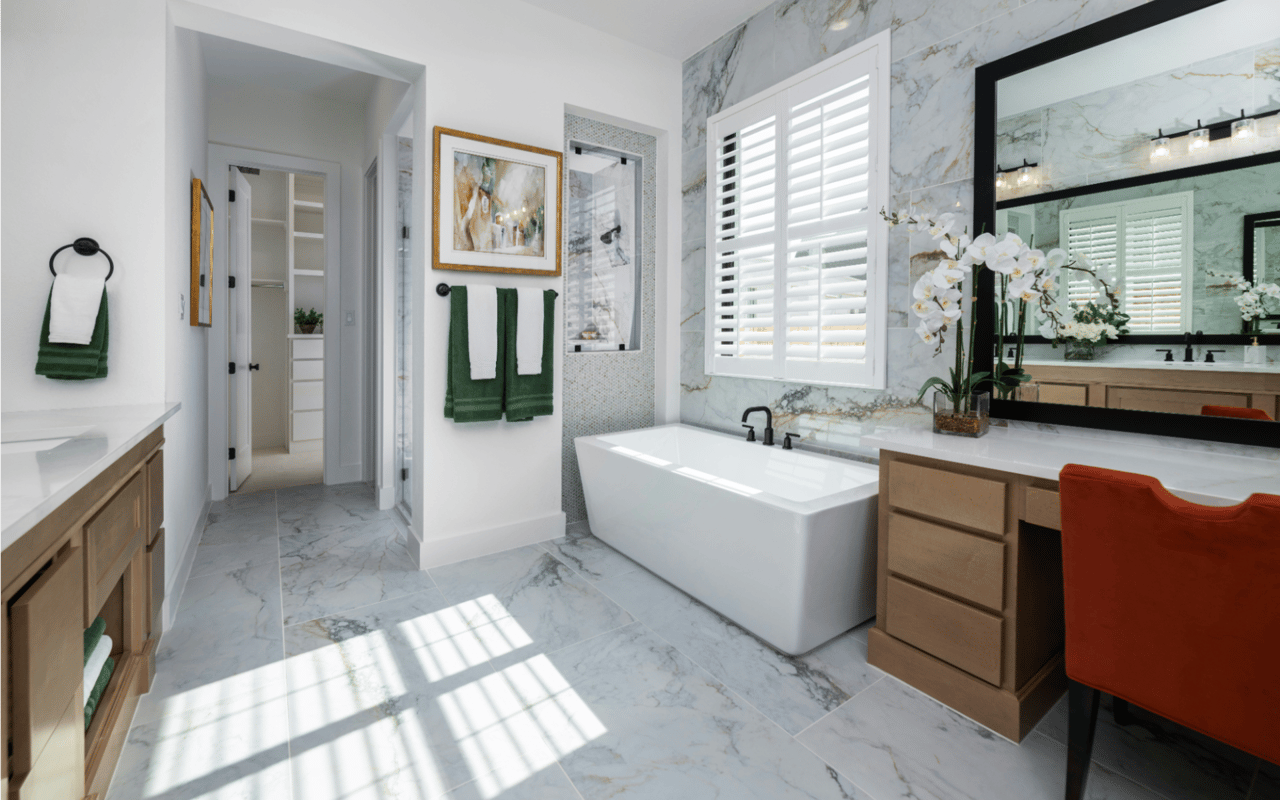
Bathrooms contain several hazards, including water, medications, and personal care products. Begin by securing cabinets with childproof locks, especially those with medicines, razors, or chemical cleaners. Install non-slip mats in and around the tub or shower to prevent falls, and always keep the toilet lid closed with a latch to avoid the risk of drowning.
Never leave young children unattended in the bath, even for a moment. Adjust your water heater to a safe temperature (ideally below 120°F) to prevent scalds. Keep hairdryers, straighteners, and other electronics unplugged and out of sight. Store cosmetics and soaps in high cabinets or locked drawers.
Bathroom Safety Tips
- Use latches on all cabinets and drawers.
- Place non-slip mats in tubs and on floors.
- Install toilet lid locks.
- Adjust the water heater to prevent hot water burns.
- Store medicines and cosmetics up high or in locked storage.
Hallways, Stairs, and Entryways
These transitional spaces can sometimes be overlooked, but they present unique risks for falls and accidents. Use hardware-mounted safety gates at the top and bottom of stairs, making sure they are always latched. Avoid pressure-mounted gates at the top of stairs, as they can be pushed loose.
Keep hallways and entryways clear of clutter, shoes, or loose rugs that could cause trips. If you have doors leading to garages or outside, use knob covers or latches to prevent unsupervised access. Make sure that stair railings are sturdy and that the gaps between balusters are narrow enough to prevent a child from slipping through.
Hallway and Stair Safety Measures
- Use hardware-mounted gates on stairs.
- Keep floors free of clutter and loose rugs.
- Install knob covers or latches on doors.
- Check stair railings and spacing between bars.
- Use nightlights for visibility in hallways.
Window and Balcony Precautions
Windows and balconies bring light and air into your home, but they also pose significant risks, especially in multi-story homes. Always keep windows locked and use window stops or guards to prevent them from being opened more than a few inches. Avoid placing furniture near the windows where children could climb and gain access to a potentially dangerous area.
Balcony doors should be kept locked when not in use, with childproof locks positioned high up. Railings should be closely spaced and free of horizontal bars or footholds. Remove any objects that could be used for climbing, and never allow unsupervised play on balconies.
Window and Balcony Childproofing
- Install window guards or stops.
- Keep furniture away from the windows.
- Use high-mounted childproof locks on balcony doors.
Childproofing for Every Age and Stage
Children’s needs change rapidly, and so should your childproofing measures. As children grow and become mobile, install gates, cabinet locks, and corner protectors. Preschoolers might attempt to open windows or doors, so make adjustments accordingly.
It’s important to regularly reassess your home as your child becomes more independent. Look for emerging hazards and replace worn-out safety products as needed. The best approach is a combination of proactive changes and ongoing supervision. Encourage older siblings to help keep small toys and other dangers away from younger children.
Adapting Childproofing Over Time
- Reassess risks as your child grows.
- Involve older children in maintaining a safe space.
- Watch for new hazards with increased mobility.
- Continue supervision, even with all precautions in place.
FAQs
How Can I Make My Home Childproof Without Constantly Watching My Child?
Childproofing helps minimize risks by removing hazards or making them inaccessible. Supervision is always essential, but using products like cabinet locks, outlet covers, and baby gates creates a safer environment and gives you peace of mind during everyday activities.
What Are the First Steps I Should Take to Childproof My Home?
Start by getting down to your child’s level and looking for obvious hazards, such as loose cords, sharp edges, or unstable furniture. Secure these first, then move on to adding safety latches, outlet covers, and securing furniture to walls.
How Often Should I Review My Childproofing Measures?
You should review your home’s safety every few months or whenever your child reaches a new developmental milestone. As children grow, they gain new abilities, such as reaching higher shelves or opening doors, which may introduce new risks.
Are There Any Areas of the Home Most Parents Overlook?
Many parents forget about hallways, laundry rooms, garages, and outdoor spaces. These areas can contain cleaning products, sharp tools, or tripping hazards, so be sure to include them in your assessment.
Start Creating a Safer Home Today
Making sure that your home is safe for children takes a bit of time and planning, but the peace of mind is more than worth it. No single strategy replaces careful supervision, but with these tips, you’ll feel confident knowing that you’ve reduced risks and allowed for a safe, happy environment.
Ready to make your next move? Work with me,
Jerry Goodwin, for expert guidance and a truly personalized real estate experience in Chicago. Whether you’re buying, selling, or just exploring your options, I’m here to help you achieve your goals with confidence.