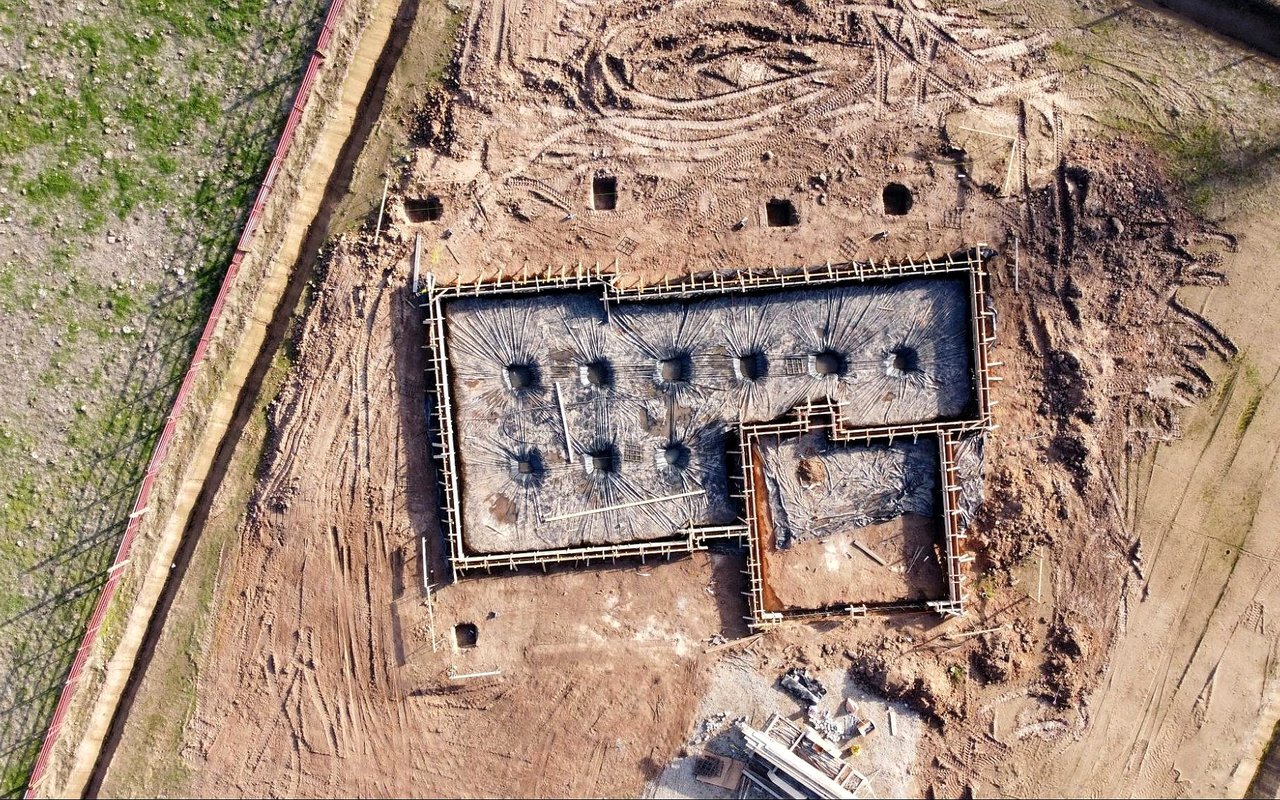
For homeowners in Chicago, where dramatic seasonal changes and soil variations are common, understanding how to maintain house foundation is a critical part of long-term property care. The foundation is, quite literally, the base upon which the entire structure rests. Any movement, cracking, or settling can lead to serious structural concerns that are both costly and complex to repair. Whether owning a vintage greystone in Lincoln Park or a modern build in the suburbs, staying proactive about foundation maintenance protects your investment and ensures the home’s safety, stability, and marketability.
Why Foundation Maintenance Matters in Chicago
Chicago’s climate poses unique challenges to home foundations. Freezing winters, spring thaws, and summer rainstorms create cycles of soil expansion and contraction. Over time, these natural conditions can impact both slab and basement foundations, causing cracks, leaks, or shifting. Older homes, particularly those built before modern building codes were implemented, may be more susceptible to these changes if proper drainage and sealing systems aren’t in place.
Homebuyers are often cautious when viewing properties with signs of foundation wear, and lenders may require inspections or repairs before approving financing. For homeowners considering selling in the future, knowing how to maintain house foundation can significantly improve resale value and avoid unwanted surprises during buyer inspections.
Monitor for Early Warning Signs
Regular visual inspections are one of the most important habits a homeowner can adopt. Inside the home, signs like hairline cracks in walls, doors that no longer close properly, uneven floors, or separated baseboards may indicate foundation shifting. Outside, watch for stair-step cracks in masonry, gaps between bricks, and pooling water near the base of the home. These symptoms do not always indicate a major issue, but they should never be ignored.
Checking for these signs at least once per season allows homeowners to catch potential issues early. In Chicago’s humid summers and freezing winters, foundation materials are subjected to a wide range of stress. Identifying early movement or cracking allows for preventive repair rather than costly remediation. This process forms a core component of how to maintain house foundation in the Midwest’s variable climate.
Ensure Proper Drainage Around the Home
Water is one of the leading causes of foundation problems. When water collects near a home’s base, it saturates the soil, leading to shifting, erosion, and pressure on foundation walls. In Chicago, where heavy rains and rapid snowmelts are common, maintaining proper drainage is essential.
Gutters and downspouts should be inspected and cleaned regularly to ensure water flows away from the foundation. Downspouts should extend at least five feet from the home, and splash blocks or extensions should be installed where needed. Grading the landscape so that soil slopes away from the house also helps prevent water accumulation.
For homes with basements, installing or maintaining a sump pump and drain tile system adds another layer of protection. Regular testing of sump pump functionality—especially before spring and summer storms—is a key step in how to maintain house foundation and prevent costly basement flooding.
Maintain Consistent Soil Moisture
Although it may seem counterintuitive, extremely dry conditions can also be detrimental to foundations. During prolonged dry periods, especially in late summer, soil can contract and pull away from the foundation, weakening its support. In the Chicago area, these conditions often follow heat waves or droughts.
To counteract this, some homeowners use soaker hoses to maintain a consistent moisture level around the foundation perimeter. However, this must be done carefully to avoid over-saturating the soil. Consistent watering helps stabilize the ground and prevent the cyclical expansion and contraction that stresses foundation materials. This balance between preventing excessive dryness and avoiding oversaturation is a subtle but crucial part of understanding how to maintain house foundation in fluctuating climates.
Address Cracks and Sealing Promptly
Not all cracks are cause for alarm, but even minor ones should be monitored and, when appropriate, sealed. Hairline cracks in concrete can be sealed with flexible polyurethane caulk or epoxy to prevent water intrusion. Larger or recurring cracks may indicate more significant structural issues and should be evaluated by a foundation specialist.
Basement walls, particularly in older Chicago homes, can develop cracks over time due to hydrostatic pressure or settling. Sealing these cracks from both the inside and outside, depending on severity, helps protect against water intrusion and structural deterioration. Waterproof coatings and professional-grade sealants are available for homeowners looking to add an extra layer of defense.
Professional inspections can help homeowners understand whether observed cracks are cosmetic or structural. Being proactive and timely with repairs is a key principle in the process of how to maintain house foundation, especially in areas prone to freeze-thaw cycles like Chicago.
Avoid Planting Too Close to the Foundation
While landscaping adds curb appeal, certain types of vegetation can pose a risk to the foundation. Large trees or fast-growing shrubs planted too close to the home can absorb moisture unevenly and disrupt soil stability. Additionally, invasive root systems can place pressure on foundation walls or interfere with drainage systems.
As a general rule, large trees should be planted at a distance equal to their expected mature height. Smaller plants should be kept at least two feet from the home’s exterior. In older Chicago neighborhoods with mature trees, root-related shifting is a common source of foundation stress, and understanding how to manage this balance is an important aspect of how to maintain house foundation.
Schedule Periodic Professional Inspections
While homeowners can conduct seasonal visual inspections, a professional foundation assessment every few years offers valuable peace of mind. Structural engineers and foundation specialists use tools like laser levels, soil pressure measurements, and moisture sensors to identify hidden vulnerabilities.
This is particularly important before listing a home for sale or after experiencing extreme weather conditions such as flooding or deep freezes. Early intervention can prevent small problems from becoming major repairs and helps support the long-term value of the property.
In Chicago’s competitive housing market, buyers increasingly seek properties with documented maintenance and recent inspections. Being able to demonstrate that the foundation has been professionally evaluated and maintained can enhance buyer confidence and strengthen negotiation leverage.
Long-Term Benefits of Foundation Maintenance
A solid foundation doesn’t just support the structure of a home—it also supports its marketability, insurability, and resale potential. Regular maintenance helps avoid major repairs, reduces energy loss through basement walls, and prevents moisture-related issues like mold and mildew.
For sellers, foundation condition is often a sticking point during inspection contingencies. Addressing these concerns in advance can streamline the selling process and prevent last-minute price reductions. For long-term homeowners, proper maintenance ensures safety, stability, and peace of mind for years to come.
Get Expert Guidance on How to Maintain House Foundation with Jerry Goodwin
Knowing how to maintain house foundation is an essential part of protecting your property investment—especially in Chicago, where environmental factors and historic architecture intersect. Whether you're a current homeowner or preparing to buy or sell, expert insight can make all the difference.
Contact Jerry Goodwin to get trusted advice on foundation care, home inspections, and real estate decisions that support long-term value and structural integrity.