By Jerry Goodwin
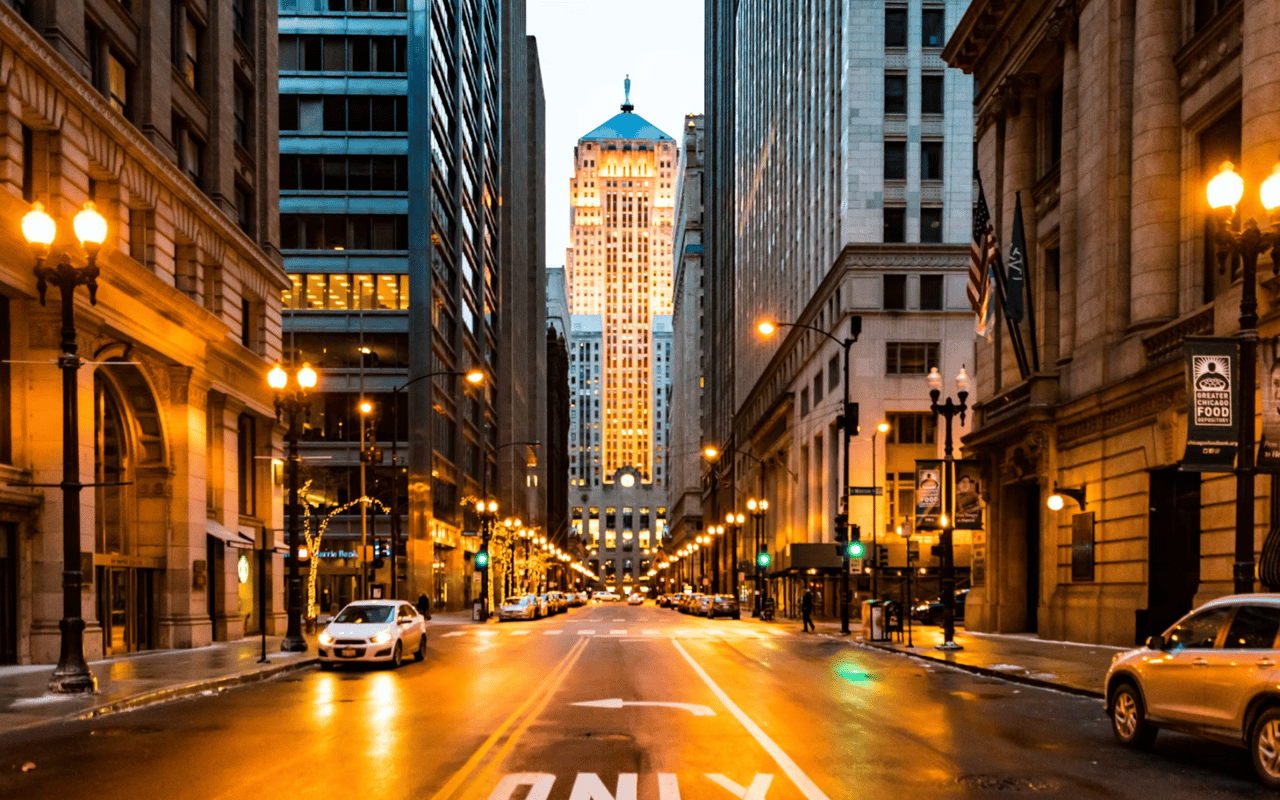
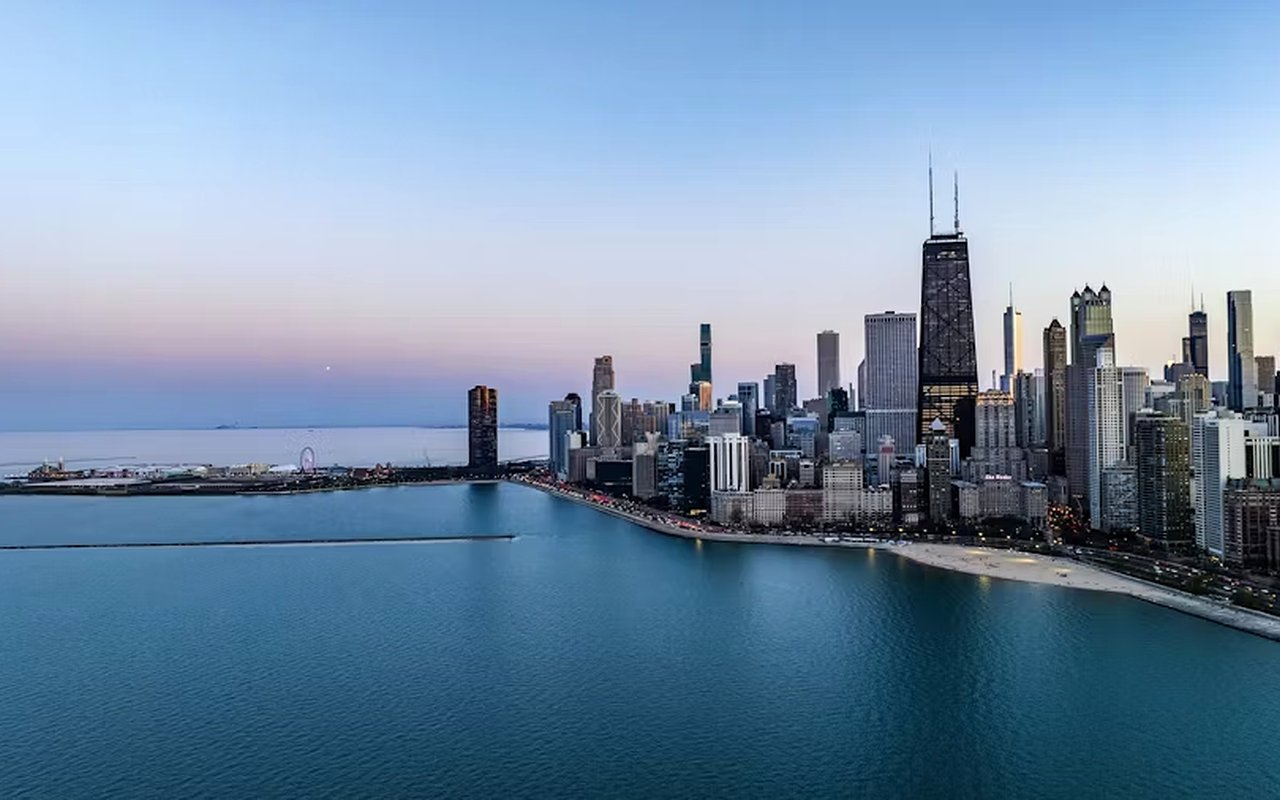
Chicago covers an enormous range of experiences, from the civic architecture of the Loop to the lakefront paths, historic stadiums, and neighborhood business districts that give the city its texture. I always tell clients that the city starts to make sense once you connect downtown landmarks with places like Hyde Park, Oak Park, Wrigleyville, Pilsen, and the North Shore.
That wider map is what gives Greater Chicago its depth, and it is also what makes the housing market here feel so layered from one district to the next.
Key Takeaways
- Lakefront: Parks, piers, and skyline views shape daily life.
- Culture: Museums, theaters, and historic architecture add depth.
- Neighborhoods: Food corridors and local business districts bring character.
Explore the Lakefront and Downtown Public Spaces
Chicago’s public realm is one of its great strengths, and the city feels especially memorable where streets open toward water, plazas, and skyline views.
Three Places I Always Mention First
- Millennium Park: Cloud Gate, Crown Fountain, and the Jay Pritzker Pavilion make this one of the city’s defining public spaces.
- Chicago Riverwalk: The stretch along the main branch of the river offers architecture, cafés, and a close look at downtown’s layered skyline.
- Navy Pier: The Centennial Wheel, lake views, and year-round programming keep this waterfront landmark in regular rotation.
These destinations capture the civic side of Chicago in a way that feels polished and unmistakable.
Spend Time With Chicago’s Museums and Cultural Institutions
Chicago’s museum culture reaches far beyond one building or one campus, and each institution carries a different relationship to the neighborhood around it.
Three Cultural Stops Worth Prioritizing
- The Art Institute of Chicago: Its Michigan Avenue location, historic Beaux-Arts building, and world-class collection make it a cornerstone of the city’s cultural life.
- Museum of Science and Industry: Set in Jackson Park in Hyde Park, this museum pairs grand architecture with one of the most expansive collections in the region.
- National Museum of Mexican Art: Located in Pilsen, it adds a neighborhood-scaled cultural experience with a setting that feels deeply connected to local identity.
Together, these places show how culture in Chicago spreads across very different parts of the city.
Go Beyond Downtown for Food and Neighborhood Streets
The food map of Greater Chicago is one of the clearest ways to understand the city, especially once you move beyond the core and spend time on major commercial streets.
Three Neighborhood Corridors I Recommend
- West Loop: Randolph Street and Fulton Market bring high-end dining, design-conscious storefronts, and a very current urban energy.
- Chinatown: Wentworth Avenue and the blocks around Cermak Road offer dim sum, bakeries, and a commercial district with a clear sense of place.
- Andersonville: Clark Street combines independent shops, Swedish roots, and a calm residential setting just beyond the busiest parts of the North Side.
I always encourage clients to explore these districts because restaurants, bakeries, markets, and cafés often reveal more about a neighborhood than a quick drive ever could.
Make Time for Architecture, Gardens, and Historic Design
Chicago’s design legacy includes far more than towers downtown, and some of the most rewarding experiences sit in conservatories, neighborhood landmarks, and nearby suburban design districts.
Three Design-Focused Experiences To Add
- Chicago Architecture Center River Cruise: This remains one of the best ways to understand the city’s skyline, engineering, and architectural evolution from the water.
- Garfield Park Conservatory: The large glasshouse on the West Side offers tropical rooms, seasonal displays, and one of the city’s great indoor landscapes.
- Frank Lloyd Wright Home and Studio: Located in Oak Park, it anchors a district where Prairie School architecture shapes the character of whole residential blocks.
These places highlight the depth of Chicago’s design culture in very different settings.
Add Sports, Performance, and Entertainment to the Mix
Chicago’s entertainment identity comes through in ballparks, comedy clubs, and landmark theaters that still draw people across the region.
Three Entertainment Anchors I Suggest
- Wrigley Field: Tours and game days in Wrigleyville connect baseball history with one of the city’s most recognizable neighborhood settings.
- The Second City: Old Town’s legendary comedy institution remains one of the most distinctly Chicago performance experiences.
- The Chicago Theatre: Its State Street marquee and downtown programming keep it central to the city’s classic theater culture.
These venues give Chicago a sense of continuity, because each one ties present-day activity to a long local tradition.
FAQs
Which area gives the best first impression of Chicago?
I usually start with the lakefront and the Loop because Millennium Park, the Riverwalk, and nearby museums give an immediate sense of the city’s scale and design quality.
Which neighborhoods are best for food and local character?
I often suggest the West Loop, Chinatown, and Andersonville because each one has a clear identity and a lot of everyday appeal.
Is it worth exploring beyond the city core?
Absolutely, because Oak Park, Hyde Park, and the North Side add architecture, museums, and neighborhood texture that deepen the experience of Greater Chicago.
Contact Jerry Goodwin Today
Whether you are drawn to the river, the lakefront, historic districts, or restaurant-lined streets, I can help you find the part of Greater Chicago that feels right for the way you want to live.
Reach out to me,
Jerry Goodwin, and I will help you narrow down the neighborhoods, housing styles, and local amenities that match what you enjoy most about the city.